
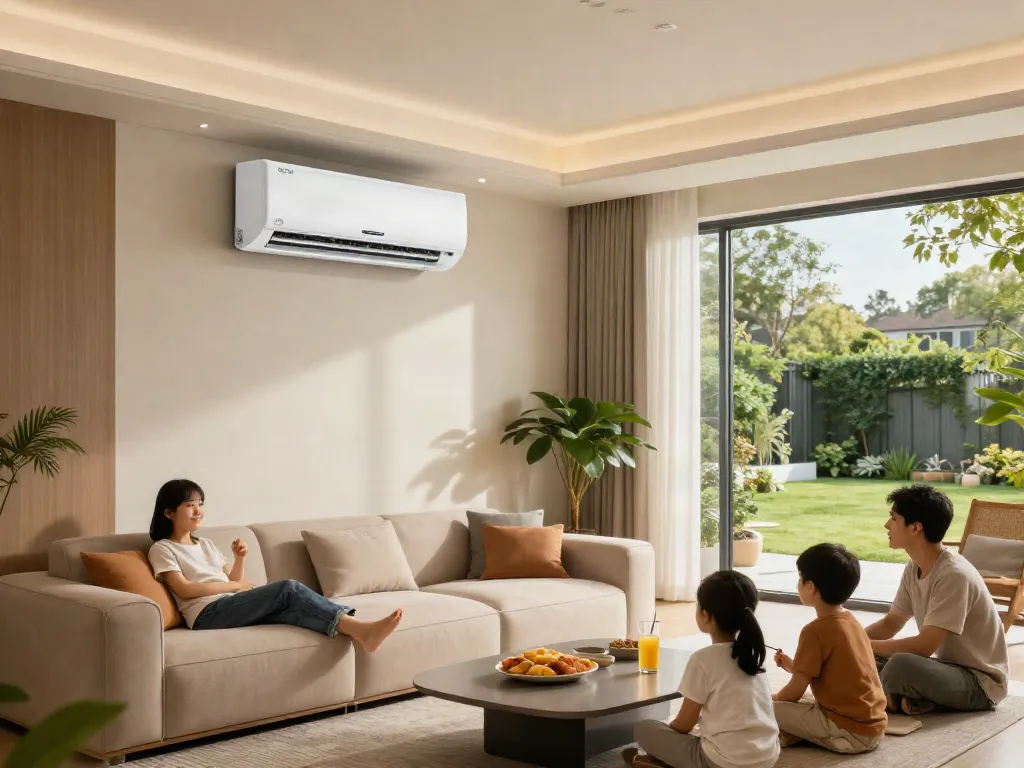
Understanding the Benefits of an 18k Mini Split System
The 18k mini split system has emerged as a preferred choice among homeowners looking for efficient and versatile heating and cooling solutions. Designed to provide optimal indoor climate control, these ductless mini split systems not only offer powerful cooling capabilities but also impressive heating performance, making them a year-round solution for any climate. When exploring options, 18k mini split units can accommodate various living spaces, demonstrating both flexibility and efficiency.
What Makes the 18k Mini Split Ideal for Home Use?
One of the standout features of the 18k mini split system is its ability to efficiently cool or heat spaces measuring up to 1,000 square feet, depending on other factors such as insulation and layout. This makes it ideal for larger rooms such as living rooms, open floor plans, or even insulated garages. The mini split system is composed of an indoor air-handling unit and an outdoor compressor unit, providing a sleek installation that doesn't require extensive ductwork, which is a key benefit for older homes or those without existing ductwork.
Cost Efficiency: Saving on Energy Bills
Energy efficiency is a major consideration for homeowners when choosing HVAC systems. The 18k mini split systems boast high SEER (Seasonal Energy Efficiency Ratio) ratings, often exceeding 20, which translates to lower energy consumption and reduced utility bills. The inverter technology used in these systems allows them to adjust their output based on the heat load, meaning they can operate at lower capacities when less cooling or heating is needed. This results in significant energy savings over time, making them a cost-effective choice in the long run.
Comparison with Traditional HVAC Systems
When comparing an 18k mini split to traditional HVAC systems, the differences become clear. Traditional systems rely on ductwork to circulate air, which can result in significant energy losses—up to 30% in some cases. In contrast, mini splits are ductless, transferring air directly from the indoor unit to the space being conditioned. This direct system improves efficiency, maintains better air quality, and allows for zoning capabilities, enabling homeowners to heat or cool only the rooms that are in use.
Installation Guide for 18k Mini Split Units
The installation of an 18k mini split unit is generally straightforward but should be approached with care to ensure optimal performance. Professional installation is recommended, but homeowners with some technical expertise can manage it themselves. Understanding the step-by-step installation process can help simplify the project.
Step-by-Step Installation Process Explained
- Select the appropriate location: Choose a location for the indoor unit that allows for effective airflow and accessibility for maintenance.
- Mount the indoor unit: Use a mounting bracket to secure the indoor unit to the wall, ensuring it's level for optimal performance.
- Install the outdoor unit: Position the outdoor compressor unit on a flat, stable surface, avoiding areas exposed to excess moisture or debris.
- Connect the refrigerant lines: Carefully route the refrigerant lines between the outdoor and indoor units, ensuring there are no kinks or obstructions.
- Connect the electrical system: Wire the system according to local electrical codes, ensuring safe and reliable power supply.
- Test the system: Once everything is connected, charge the system with refrigerant and check for leaks to ensure it operates efficiently.
Common Installation Mistakes to Avoid
When installing an 18k mini split, several common mistakes can lead to inefficiency or system failure. Here are a few to avoid:
- Improper placement: Failing to install the indoor unit in an optimal spot can lead to poor air distribution and reduced efficiency.
- Neglecting insulation: Not properly insulating refrigerant lines can result in energy loss and decreased performance.
- Ignoring local codes: Not adhering to local building codes and regulations can lead to fines and potential safety hazards.
Choosing the Right Location for Optimal Performance
The location of both indoor and outdoor units is critical for optimal performance. Indoor units should be placed in central areas where air can flow freely throughout the space. For outdoor units, ensure they are positioned away from direct sunlight, as excessive heat can impair efficiency. Additionally, maintain ample clearance around the unit for proper airflow and maintenance access.
Maintenance Best Practices for Longevity
To ensure your 18k mini split system operates efficiently for years to come, regular maintenance is essential. Taking proactive measures can prevent costly repairs and extend the lifespan of the unit.
Regular Maintenance Tasks You Shouldn't Ignore
- Clean or replace air filters: Depending on usage, clean or replace filters every 1-3 months to ensure optimal airflow and indoor air quality.
- Inspect the outdoor unit: Regularly check for debris, leaves, or ice buildup, which can hinder performance and lead to compressor damage.
- Schedule annual professional maintenance: Have a qualified technician inspect and maintain your system annually to ensure it runs efficiently.
Signs Your 18k Mini Split Needs Professional Servicing
Recognizing when your mini split system needs servicing can save you from bigger problems down the line. Look out for:
- Unusual noises coming from the system, signaling potential mechanical failures.
- Inconsistent temperatures across different rooms, suggesting issues with the system's performance or placement.
- Increased energy bills without a change in usage, indicating inefficiency or a malfunctioning unit.
DIY Tips for Maintaining Performance Year-Round
Maintaining your 18k mini split system doesn’t always require a professional. Homeowners can perform several simple tasks:
- Keep the outdoor unit clean and free from obstructions.
- Regularly check and clean filters to improve airflow.
- Monitor and adjust thermostat settings to suit seasonal changes and usage patterns.
Advanced Features and Technology in 18k Mini Splits
Modern 18k mini split systems come packed with advanced features designed to enhance user experience and efficiency. Understanding these technologies can help homeowners maximize their systems.
Smart Controls and Energy Efficiency
Many new models of 18k mini splits offer smart technology capabilities, allowing homeowners to control their systems remotely through smartphones or smart home devices. This feature enables users to optimize settings for energy savings and comfort, even when they're not home. Additionally, many systems come with programmable timers and energy-saving modes to further enhance efficiency.
Innovative Heating and Cooling Technologies Explained
Advanced heating and cooling technologies, such as inverter-driven compressors and variable refrigerant flow (VRF), allow mini splits to adjust their capacity based on real-time needs. This not only enhances comfort but also contributes to significant energy savings.
Comparing Features Across Different Brands
With numerous brands offering 18k mini splits, features can vary significantly. When comparing models, consider:
- Energy efficiency ratings: Look for units with high SEER ratings for better efficiency.
- Noise levels: Some models operate quieter than others, which is particularly important in bedrooms or offices.
- Warranty and support: Check the manufacturer's warranty period and the availability of customer support for repairs and maintenance.
Future Trends in Mini Split Systems for 2026 and Beyond
The mini split industry is continuously evolving, driven by advances in technology and changing consumer preferences. Understanding these trends can help homeowners make informed decisions.
Emerging Technologies in Home Climate Control
As technology advances, the future of mini split systems will likely include the integration of even more sophisticated tools such as AI-driven climate control, which can learn occupants' preferences over time. This personalization can lead to increased comfort and energy savings, further elevating user experience.
Environmental Impact and Energy Regulations
With increasing focus on sustainability, stricter energy regulations are likely to shape the future of HVAC systems. Mini splits’ energy efficiency characteristics already align well with these regulations, making them a favorable option in a changing environmental landscape.
Consumer Preferences Shaping the Market
In 2026 and beyond, consumer preferences will continue to influence mini split designs, with a growing demand for energy efficiency, smart technology integration, and user-friendly features. As homeowners prioritize these aspects, manufacturers will respond by innovating and improving their offerings.
What is the typical size room for an 18k mini split?
An 18k mini split is generally suitable for spaces between 550 to 1,000 square feet, making it a versatile choice for larger rooms, open layouts, and insulated garages.
Is an 18k mini split unit suitable for heating?
Yes, an 18k mini split can efficiently provide heating, making it a viable option for year-round climate control in various settings.
What maintenance is required for an 18k mini split?
Routine maintenance for an 18k mini split includes cleaning or replacing filters, inspecting the outdoor unit, and scheduling annual professional servicing.
How does the installation process for an 18k mini split work?
The installation process typically involves selecting the appropriate location, mounting the indoor unit, connecting the outdoor unit, and testing the system for any leaks or inefficiencies.
What are the energy efficiency ratings for 18k mini splits?
Energy efficiency ratings for 18k mini split systems vary, with many models boasting SEER ratings between 16 to over 20, indicating high efficiency.