Understanding Clip Ins for Thin Hair
If you have thin hair, the struggle to achieve volume and length is a common one. Clip-ins are an excellent solution designed to enhance your natural hair while providing the necessary fullness without permanent adjustments. This article will delve into the world of clip-ins specifically catered to those with fine hair, outlining their benefits, how to choose the right ones, and effective application techniques. When exploring options, clip ins for thin hair stand out as versatile tools that can dramatically transform your hairstyle.
What Are Clip Ins for Thin Hair?
Clip-ins are temporary hair extensions that can be easily applied and removed. They come in various lengths, colors, and textures, making them suitable for any occasion. Designed with an array of small clips attached, they are tailored specifically to create a seamless look while offering the much-needed volume for individuals with thin hair. They're ideal for those who desire a fuller appearance without the commitment or damage associated with permanent hair extensions.
Benefits of Using Clip Ins for Thin Hair
Utilizing clip-ins provides numerous advantages beyond just enhanced volume:
- Instant Transformation: Clip-ins allow users to achieve a stunning new look in minutes, suitable for both everyday wear and special occasions.
- No Damage: Since clip-ins are removable, they do not cause long-term damage to your natural hair, unlike some permanent extensions.
- Cost-Effective: Compared to salon-installed extensions, clip-ins offer an affordable alternative for individuals looking to enhance their appearance.
- Versatility: With various styles and colors available, you can easily change your look to suit your mood or the event.
Common Misconceptions About Clip Ins
Despite their popularity, several misconceptions persist about clip-ins. Many people believe that clip-ins cause hair damage; however, when used properly, they are safe for fine hair. Another common myth is that they look unnatural, but modern clip-ins are designed for seamless blending, ensuring they look just like your natural hair.
Choosing the Right Clip Ins for Thin Hair
Selecting the perfect clip-ins can feel overwhelming due to the myriad of options available. Understanding the characteristics of different types can simplify the selection process significantly.
Types of Clip Ins Available
There are several types of clip-ins available, specifically suited for thin hair:
- Seamless Clip-Ins: These extensions are designed to lie flat against the scalp, offering a more natural look and preventing bulkiness.
- Skinny Clip-Ins: Ideal for individuals with very fine hair, these clip-ins are made with smaller clips to distribute weight evenly, allowing for a comfortable fit.
- Single-Piece Clip-Ins: For those who want to add volume without extensive application, single-piece options can be a quick solution.
How to Select the Best Color and Texture
Choosing a color that matches your natural hair is crucial for achieving a believable look. It's advisable to look at options under different lighting conditions or consult with a professional to make the right choice. Regarding texture, consider the natural wave or straightness of your hair to ensure a seamless blend.
Price Ranges and Quality Considerations
Quality clip-ins can range significantly in price, typically from $50 to several hundred dollars, depending on the material (synthetic vs. human hair) and brand. Investing in higher-quality extensions can ensure longevity and a more natural appearance.
Applying Clip Ins Effectively
Correct application is essential for achieving the best look with your clip-ins. Following a step-by-step guide can help ease the process.
Step-by-Step Guide to Installing Clip Ins
- Preparation: Start with clean, dry hair. Lightly tease the roots where the clips will be attached for better grip.
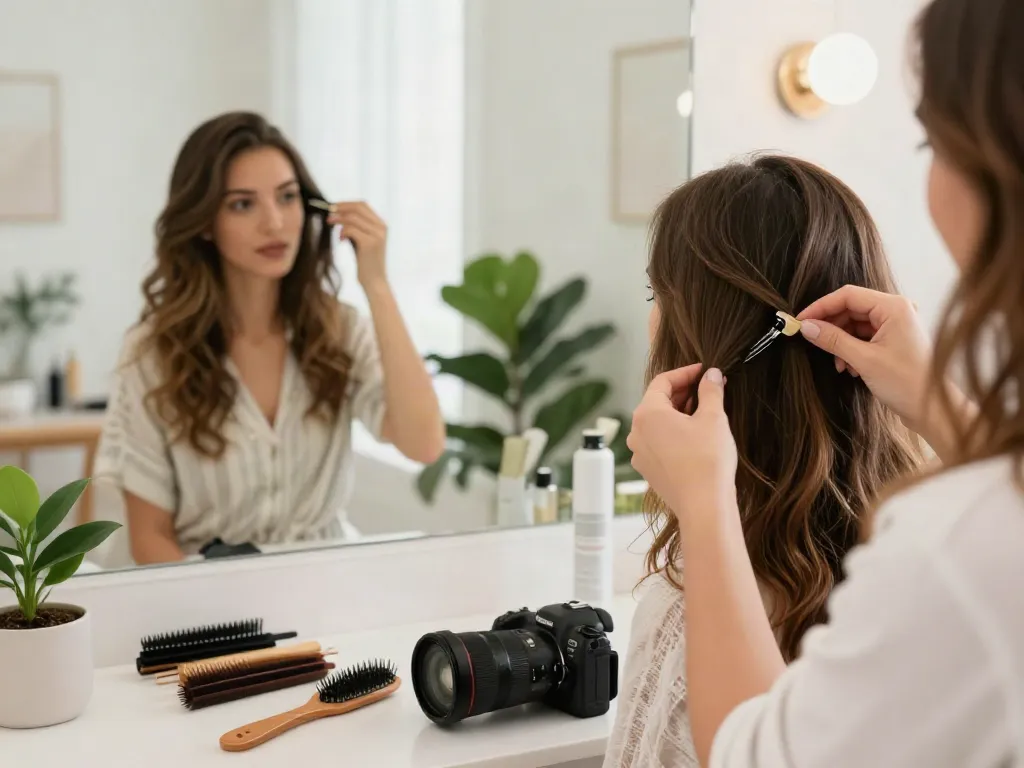
- Section Your Hair: Use hair clips to section off the top half of your hair. Start applying the clip-ins at the bottom.
- Placement: Open the clips and attach them to the base of the sectioned hair, ensuring they are secure.
- Blend: Release the top section and blend your natural hair with the clip-ins for a seamless finish.
Tips for Blending Clip Ins with Fine Hair
To achieve an optimal blend, consider these tips:
- Use a flat iron to style your natural hair and clip-ins together for improved cohesion.
- Opt for products like texturizing sprays to add grip and prevent slipping.
- Check the fit regularly throughout the day to ensure the clips remain secure.
Common Mistakes to Avoid During Installation
Many beginners make mistakes that can affect the look of their clip-ins:
- Applying clip-ins too close to the front hairline can result in visibility.
- Neglecting to tease the roots can lead to slippage.
- Overloading the hair with too many pieces can create bulkiness instead of natural volume.
Caring for Clip Ins for Thin Hair
Proper care is essential to prolong the lifespan of your clip-ins and keep them looking their best.
Maintenance Tips to Extend Longevity
To maintain the quality of clip-ins:
- Limit washing to every 15-20 wears to prevent drying out.
- Use sulfate-free shampoos and conditioners to preserve the hair's integrity.
- Store clip-ins in a cool, dry place, preferably in a storage case specifically designed for hair extensions.
Cleaning and Storing Clip Ins Properly
When cleaning, always follow these steps:
- Use a gentle shampoo to cleanse the clip-ins, followed by a moisturizing conditioner.
- Rinse thoroughly in lukewarm water and let them air dry on a flat surface.
- Store clip-ins in a way that prevents tangling, such as hanging them or placing them flat in a drawer.
Product Recommendations for Clip Ins Care
Invest in quality products for your clip-ins. Look for leave-in conditioners and detangling sprays specifically designed for extensions to maintain softness and prevent damage.
Trends and Innovations in Clip Ins for 2026
The world of hair extensions is ever-evolving, with new trends and technologies emerging constantly.
Emerging Technologies in Hair Extensions
Advanced manufacturing techniques are leading to more natural-looking and lightweight extensions. Innovations like heat-resistant fibers can withstand styling tools, making clip-ins even more versatile.
Fashion Trends Influencing Clip Ins Styles
Current fashion trends emphasize natural beauty and minimalism, steering the design of clip-ins towards more subtle and lightweight options.
Future Directions for Hair Care Products
Anticipate burgeoning options that utilize sustainable and ethically-sourced materials in hair extensions, reflecting a growing preference for environmentally friendly products.
What Are the Different Types of Clip Ins?
As mentioned previously, there are a variety of clip-ins designed to cater to different hair types and preferences, including seamless, single-piece, and volumizing clip-ins.
How Can Clip Ins Enhance Thin Hair Volume?
Clip-ins can provide a significant volume boost when applied correctly. By distributing weight evenly, they create a fuller appearance while respecting the natural texture of fine hair.
Are Clip Ins Safe for Fine Hair?
Clip-ins are considered safe for fine hair, provided they are applied thoughtfully and removed properly to avoid any tension or stress on the hair strands.
How to Style Clip Ins for Special Occasions?
For special occasions, you might consider adding waves or curls to your clip-ins for a glamorous look. Using heat-protectant products will ensure that both your natural and extension hair remain healthy.
Can Clip Ins Be Reused or Recycled?
Yes, many clip-ins are designed for repeated use. With proper care and maintenance, they can last for months if not years.
What Maintenance Is Required for Clip Ins?
Regular cleaning, gentle handling, and mindful storage are key to maintaining the quality of your clip-ins, ensuring they remain a staple in your hair routine.