
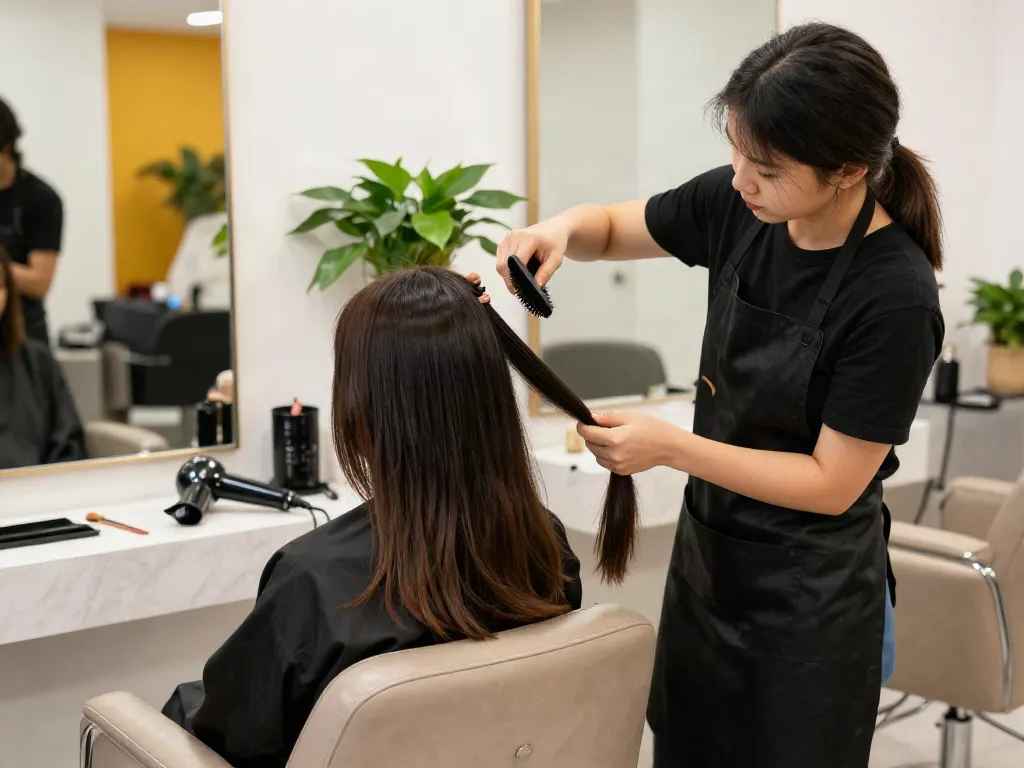
Understanding Tape Extensions for Thin Hair
Tape extensions have surged in popularity as a versatile and effective solution for enhancing the beauty of fine hair. For those with thin hair, achieving volume and length can often seem like a daunting challenge. Fortunately, tape extensions for thin hair offer a practical and aesthetic answer. These extensions are designed to blend seamlessly with natural hair, providing the desired fullness without compromising the integrity of the underlying strands. When exploring options, tape extensions for thin hair provide comprehensive insights into styles and types you can consider.
What Are Tape Extensions?
Tape extensions consist of wefts of hair that are adhered to natural hair using a special adhesive tape. The lightweight nature of the tapes ensures that they do not add unnecessary stress to fine strands. Each extension is usually around 1.5 inches wide and comes in a variety of textures and colors to match diverse hair types. Tape extensions can be applied in various patterns and sections to achieve a unique look tailored to the wearer’s preferences.
Benefits of Tape Extensions for Fine Hair
- Seamless Integration: The flat design of tape extensions allows them to lay flat against the scalp, making them virtually undetectable. This is particularly advantageous for those with finer hair, as it mimics the natural growth pattern.
- Lightweight Design: Unlike other extension types, tape extensions are lightweight, which means they won’t put additional strain on delicate hair, reducing the risk of breakage.
- Reusability: With proper care, tape extensions can be reused multiple times, making them a more cost-effective option in the long run.
- Versatility: They can be styled, colored, and treated just like natural hair, offering numerous styling options without limitations.
How Tape Extensions Differ from Other Types
Tape extensions stand out from other types of hair extensions such as clip-ins, sew-ins, or fusion extensions in several ways. Clip-ins can be convenient for temporary hairstyles but may not provide the same level of comfort and longevity. Sew-ins involve braiding the hair, which can be taxing on fine hair, while fusion extensions require the use of heat and adhesive, potentially leading to more damage. In contrast, tape extensions are gentler and designed for prolonged wear without compromising the natural hair’s health.
Choosing the Right Tape Extensions
When selecting tape extensions for thin hair, it’s essential to consider various factors that will contribute to both comfort and the desired aesthetic. The options available can be overwhelming, but focusing on quality, color, and style can simplify the selection process.
Factors to Consider with Thin Hair
- Weight of Extensions: Opt for lightweight extensions to avoid damaging thin hair. Heavier extensions can lead to traction alopecia, a condition caused by constant pulling on the hair.
- Adhesive Quality: High-quality adhesive ensures that the extensions stay in place without causing harm to the natural hair. Investigate brands known for their strong yet gentle adhesive.
- Texture Match: Ensure the texture of the extensions matches your natural hair. For those with fine hair, seeking silky or straight options can provide a more cohesive look.
Best Brands for Quality Tape Extensions
Choosing the right brand can make a significant difference in the overall experience of using tape extensions. Here are some reputable brands acclaimed for their quality:
- Bella Hair: Known for their durable and high-quality extensions, Bella Hair offers a variety of colors and textures tailored for fine hair.
- Irresistible Me: This brand focuses on affordability without sacrificing quality, offering lightweight and invisible tape extensions that blend seamlessly.
- Donna Bella Hair: They provide a wide range of invisible tape extensions that are highly recommended for those with thin hair.
Color Matching Tips for Natural Looks
Achieving a natural appearance is crucial when wearing tape extensions. Here are tips for effective color matching:
- Consultation: Consider consulting with a professional stylist who can help you choose the right shade that complements your natural hair.
- Swatch Testing: If possible, request swatches and test how they blend with your hair under different lighting conditions.
- Layering Options: Sometimes, using two shades that are close to your natural color can create depth and movement, enhancing the natural look further.
Installation Process of Tape Extensions
The installation of tape extensions requires careful attention to detail to ensure that they adhere properly and blend seamlessly. Here is a step-by-step guide to applying tape extensions effectively.
Step-by-Step Guide to Applying Tape Extensions
- Preparation: Start with clean, dry hair. Avoid using conditioner on the day of installation as it can affect the adhesive's ability to bond.
- Sectioning: Use a comb to create horizontal sections of hair about 1 inch apart. Clip the top sections out of the way.
- Applying the Extensions: Remove the backing from the tape extension and place it under the natural hair. Press firmly to ensure a secure bond.
- Sealing: Use a flat iron to seal the tape further. This ensures the extensions adhere strongly to the natural hair.
- Styling: Once installed, style your hair as desired. You can curl or straighten it just like your natural hair.
Common Mistakes to Avoid During Installation
Minimizing mistakes during the installation process is crucial for optimal results. Common errors include:
- Using too much product before installation, which can weaken the adhesive.
- Applying extensions too close to the scalp, causing discomfort and potential damage.
- Failing to section the hair properly, leading to uneven distribution and a less natural look.
Tools and Products for Successful Application
Having the right tools can simplify the installation process. Essential items include:
- Tail Comb: For precise sectioning of hair.
- Clip Sectioning Clips: To keep hair sections organized during application.
- Hair Straightener: For sealing the tape effectively.
Maintaining Tape Extensions for Longevity
To ensure tape extensions last as long as possible, daily care and maintenance are critical. Here are essential practices to follow.
Best Practices for Daily Care
- Gentle Washing: Use sulfate-free shampoo and conditioner to prevent tape degradation.
- Heat Protection: Always apply a heat protectant before styling with heat tools.
- Detangling: Use a wide-toothed comb to avoid tugging at the extensions.
How Often to Replace Tape Extensions
Typically, tape extensions can last 6 to 8 weeks before needing replacement or reapplication, depending on hair growth and maintenance. Regular checks can help assess when it’s time to replace.
Professional Maintenance Services Explained
Many salons offer professional maintenance services for tape extensions, including reinstallation or moving up the extensions as hair grows. Engaging a professional can ensure that the extensions maintain their best appearance and integrity.
Future Trends in Hair Extensions for 2026
As we look toward the future, the hair extension industry is poised for exciting innovations and transformations.
Innovations in Tape Extension Technology
Advancements in adhesive technology may lead to even more durable and skin-friendly tapes. This could enhance wearability and comfort for individuals with sensitive scalps.
Sustainable Options for Eco-Conscious Consumers
As sustainability becomes more critical to consumers, brands may introduce eco-friendly hair extensions made from ethically sourced human hair and recycled materials. This could appeal to eco-conscious individuals without compromising quality.
Expert Predictions on Hair Trends for 2026
Experts anticipate a growing preference for natural-looking hair enhancements that blend seamlessly with one’s natural color and texture. Innovations may also include customizable extensions that adapt to individual hair growth patterns.
Are tape extensions good for fine, thin hair?
Yes, tape extensions are particularly beneficial for fine, thin hair due to their lightweight design and seamless application, minimizing damage risk.
What is one disadvantage of tape in hair extensions?
One disadvantage can be the potential for adhesive buildup, which requires careful maintenance and regular cleaning to avoid weighing down the extensions.
How long do tape-in extensions last?
With proper care, tape-in extensions typically last between 6 to 8 weeks before needing repositioning or reapplication.
Which type of extensions are best for thin, fine hair?
Tape extensions are often recommended for thin, fine hair, but micro-link or keratin-bonded extensions can also be good alternatives, depending on individual hair condition.
How can I protect my fine hair while using extensions?
To protect fine hair, choose lightweight extensions, avoid heavy styling products, and maintain a proper care routine to minimize damage from heat and tension.