Understanding Roof Leaks: Causes and Effects
Roof leaks are a common concern for homeowners, especially in humid climates like Tampa, where rain can be both frequent and heavy. Understanding the underlying causes of roof leaks is essential for effective repair and prevention. A roof leak can lead not only to cosmetic damage but also to structural issues if not addressed promptly. By identifying the real source of the problem, homeowners can avoid unnecessary repairs and ensure the longevity of their roofs. When exploring options, https://avatarroofing.com/residential-roofing-tampa/roof-repair-tampa/roof-leak-repair-tampa/ provides comprehensive insights on roof leak repair solutions fit for Tampa’s unique climate.
Common Causes of Roof Leaks in Tampa
In an environment like Tampa’s, several factors can contribute to roof leaks:
- Weather Conditions: Frequent rainstorms paired with high humidity can deteriorate roofing materials over time.
- Poor Installation: Inadequate installation of roofing materials and flashings can lead to leaks. In some cases, improper sealing around penetrations and joints contributes significantly to water ingress.
- Age of Roof: Older roofs, particularly those beyond their expected lifespan, become more susceptible to leaks due to wear and tear.
- Clogged Gutters: Blockages in gutters can cause water pooling, which may lead to overflows and eventual leaks.
Impact of Neglected Roof Issues
Neglecting roof issues can have dire consequences. A small leak may appear harmless, but over time, it can lead to:
- Mold Growth: Prolonged moisture exposure can encourage mold growth in attics and walls, posing health risks to occupants.
- Structural Damage: Continuous water ingress can weaken the structure of your home, leading to costly repairs.
- Decreased Property Value: Homebuyers may be hesitant to purchase a property with a history of roof leaks, impacting your home’s market value.
Identifying Warning Signs of a Leak
Being vigilant about the signs of a leak can save homeowners from future headaches. Common warning signs include:
- Visible water stains on ceilings or walls
- Peeling paint or wallpaper
- Unexpected increases in energy bills due to humidity
- Musty odors, indicating potential mold growth
Why Choose Professional Roof Leak Repair Services
While DIY repairs might seem tempting, hiring a professional for roof leak repairs ensures that the job is done correctly. Here are several reasons to consider expert services:
Benefits of Expert Diagnosis
Experienced roofers can quickly identify the source of a leak—often within minutes. Their knowledge of various roofing materials and systems allows them to diagnose issues accurately. This level of expertise significantly reduces the risk of misdiagnosis and the related costs of repeated repairs.
Tools and Techniques Used by Professionals
Professional roofers utilize specialized tools and techniques for effective leak detection, such as:
- Infrared Cameras: These can identify areas of heat loss or moisture buildup that may not be visible to the naked eye.
- Moisture Meters: These help assess the level of moisture in roofing materials, guiding the repair strategy.
Emergency vs. Non-Emergency Repairs
Understanding the difference between emergency and non-emergency situations is crucial for homeowners. Emergency repairs are necessary when the leak is active and poses a risk of immediate damage, while non-emergency situations allow for a scheduled assessment. Expert roofers can typically respond to emergencies within a day, ensuring your home remains protected.
Step-by-Step Process for Effective Roof Leak Repair
When a professional roofing team arrives to address a leak, they follow a systematic approach to ensure thorough repairs:
Initial Inspection and Assessment
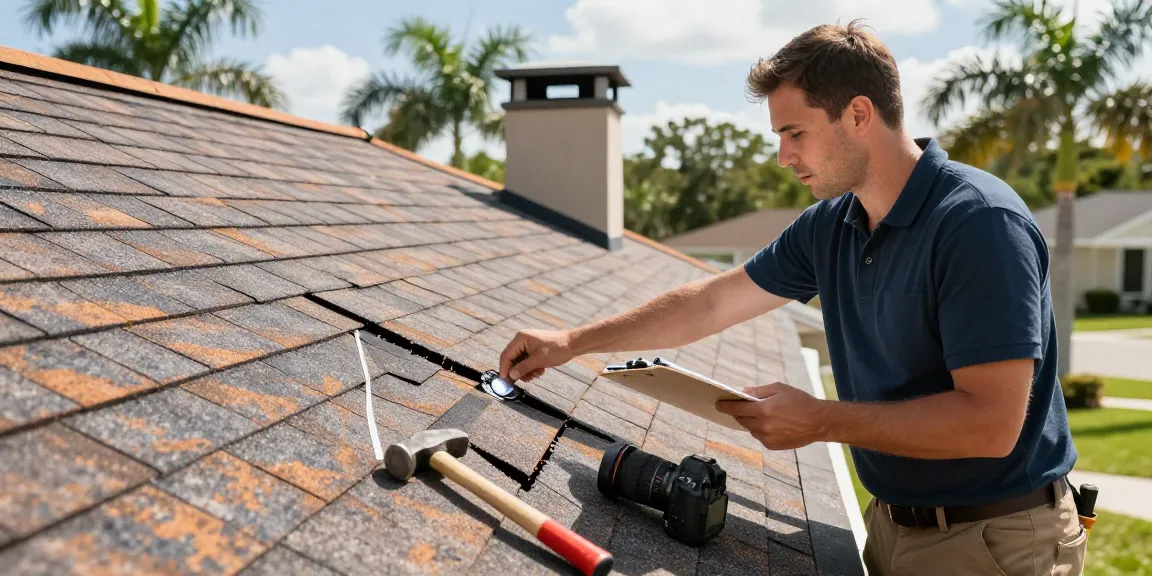
The first step involves a comprehensive inspection of the roof. This includes checking flashings, valleys, and other critical areas. Professionals actively search for signs of wear, damage, or any structural issues that may contribute to leaks.
Common Repair Methods for Various Roof Types
The method of repair often depends on the roof type:
- Shingle Roofs: Damaged or missing shingles are replaced, and faulty flashings are resealed or replaced.
- Tile Roofs: Repairs may involve replacing cracked tiles and addressing issues with underlayment or flashings underneath.
- Flat Roofs: This may require patches or re-coating to seal seams and prevent leaks.
Post-Repair Maintenance Tips
After repairs are made, homeowners should engage in regular roof maintenance to prolong roof life:
- Ensure gutters are cleaned regularly to prevent water buildup.
- Inspect the roof after heavy storms to catch any new damage early.
Emergency Roof Leak Repair: What You Need to Know
Emergencies can arise without warning, especially during Tampa’s storm season. Knowing how to handle a roof leak can save you time and money.
Recognizing True Emergencies
A true roofing emergency is characterized by:
- Active water intrusion
- Visible structural damage
- Health concerns like mold growth
Quick Fixes vs. Long-Term Solutions
While quick fixes, such as tarping the roof, can halt immediate damage, long-term solutions require permanent repairs by professionals. Always follow up temporary patches with comprehensive repairs to ensure the integrity of your roof.
How to Prepare for Storm Season
As storm season approaches, consider performing a preemptive roof inspection. This includes checking for:
- Damaged shingles or tiles
- Clogged gutters
- Loose or damaged flashings
Future Trends in Roofing Repair Services
The roofing industry is evolving with innovative materials and techniques designed to enhance durability and energy efficiency. Here are some trends to watch:
Innovations in Roofing Materials and Techniques
New materials such as cool roofing systems and green roofs are gaining popularity. These not only improve energy efficiency but also contribute positively to the environment.
Environmental Considerations in Roof Repair
As sustainability becomes a priority, eco-friendly roofing options, including recycled materials and sustainable practices, are becoming the norm.
Predictions for Tampa’s Roofing Industry in 2026
By 2026, we anticipate a greater focus on advanced materials capable of withstanding extreme weather, which is crucial for the Tampa area. Roofers will likely adopt more technologies for inspections and repairs, enhancing precision and customer service.
What Should Homeowners Look for in a Roofing Contractor?
When hiring a roofing contractor, consider the following:
- Experience and reputation
- Insurance and licenses
- Warranty options and post-repair support
How Can I Prevent Roof Leaks in the Future?
While no solution is foolproof, regular maintenance, prompt repairs, and professional inspections can dramatically reduce the likelihood of leaks occurring.
What Are the Costs Associated with Roof Leak Repairs?
Costs can vary widely based on the extent of the damage and the roofing material involved. An initial inspection can help identify the necessary repairs and provide an accurate estimate.
When Should I Consider a Roof Replacement?
Consider replacement if your roof is over 20 years old, has widespread damage, or if repair costs reach a significant percentage of replacement costs. A roofing professional can provide guidance on this critical decision.
Are There Financing Options Available for Roof Repairs?
Many roofing companies offer financing options to make necessary repairs more affordable. Always inquire about available plans when seeking estimates.
How Do Weather Conditions Affect Roof Performance?
In Tampa, heat and humidity can accelerate wear and tear, particularly on materials like asphalt shingles. Understanding how your roof interacts with local conditions can inform your maintenance schedule.